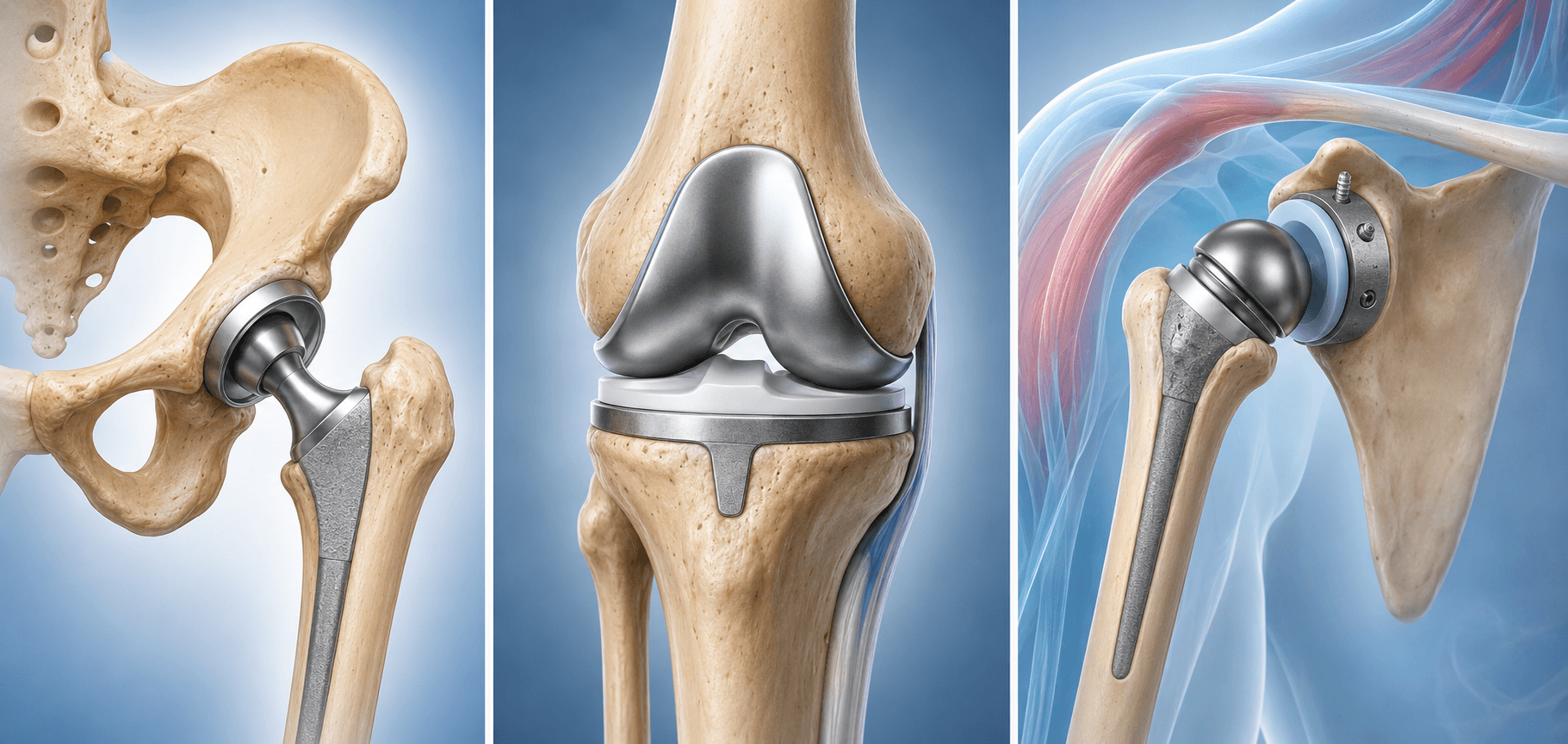
Who Is a Candidate for Hip Replacement?
Hip replacement surgery is recommended when conservative treatments such as medications, physiotherapy, and lifestyle modifications no longer provide adequate relief. Common indications include advanced osteoarthritis with bone-on-bone contact, avascular necrosis (loss of blood supply causing collapse of the femoral head), hip fractures in elderly patients with poor healing potential, and inflammatory forms of hip arthritis. The demand for hip replacement surgery in India continues to rise due to increasing life expectancy, higher rates of osteoarthritis, and improved access to advanced surgical technologies.
Surgical Approach Matters – What Hyderabad Patients Should Know
Several surgical approaches are used during hip replacement, and each has specific advantages. The Direct Anterior Approach (DAA) is muscle-sparing and often allows faster early mobility and less limping. The Posterior Approach remains one of the most widely used techniques with excellent long-term outcomes and reliable recovery. The Lateral Approach offers better exposure for complex cases but may require slightly longer recovery of the hip abductor muscles. The surgeon’s expertise and familiarity with the chosen technique are often more important than the approach itself.
The Real Recovery Timeline – Week by Week
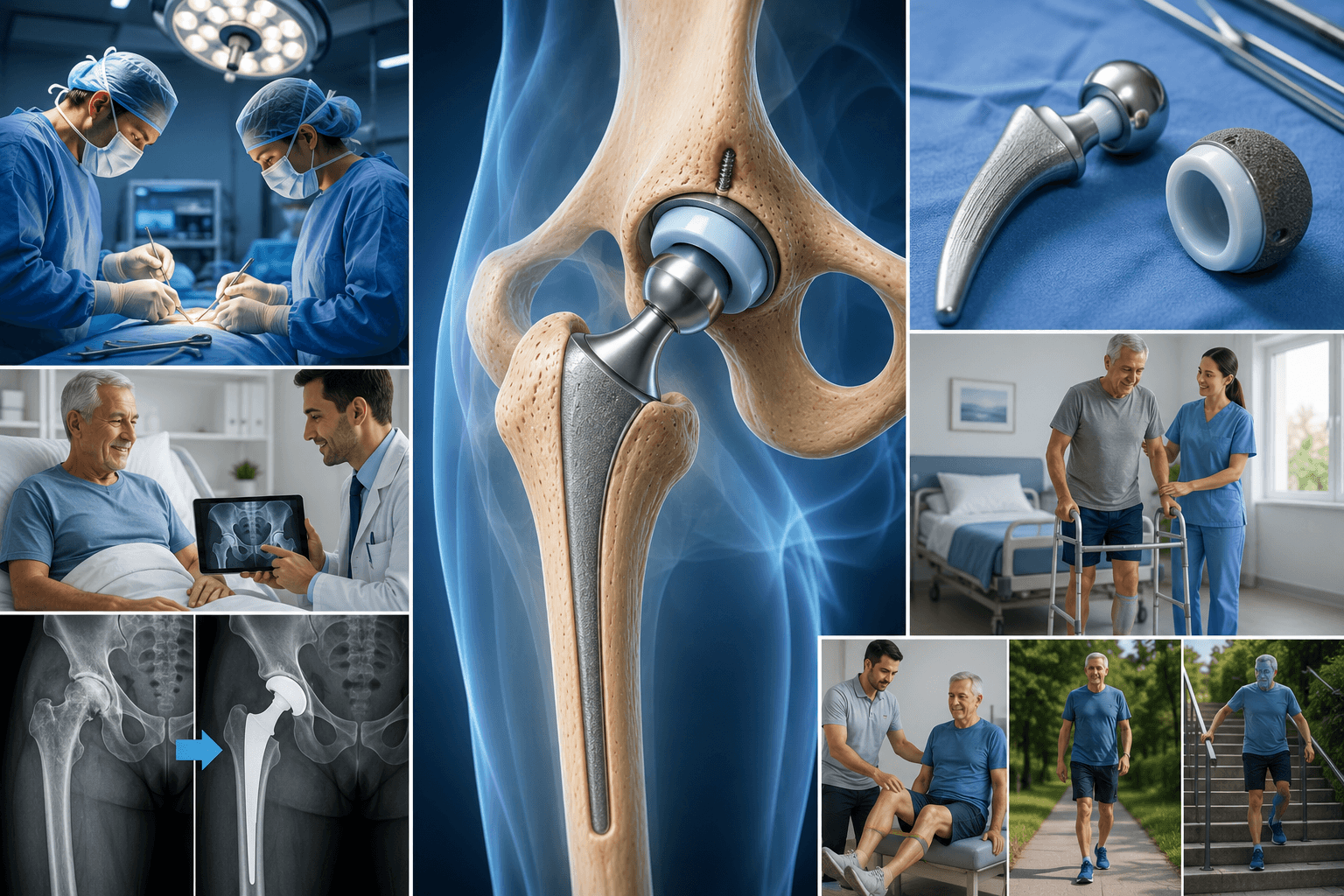
Recovery after hip replacement follows a predictable progression. Days 0–1: Most patients stand and take a few steps within 24 hours after surgery. Week 1: Focus on walker-assisted walking, pain control, wound care, and hospital discharge, typically between days 2–4. Weeks 2–4: Transition from a walker to a cane, begin light household activities, and attend physiotherapy sessions several times per week. Weeks 4–6: Many patients walk independently without support and may resume driving if approved by their surgeon. Weeks 6–12: Return to low-impact exercise, strength training, and near-normal daily activities. Months 3–6: Muscle strength improves significantly, and most patients no longer consciously notice the artificial joint during routine activities. Attempting to accelerate recovery too quickly remains one of the leading causes of avoidable complications.
Hip Precautions: The Rules That Protect Your New Joint
The first six weeks are critical for proper healing. Patients are advised not to cross their legs at the knees or ankles, avoid bending the hip beyond 90 degrees, and refrain from twisting the hip while the foot remains planted on the ground. Raised toilet seats and supportive chairs are recommended during this period. Contrary to popular belief, most patients do not require a walker permanently. With structured physiotherapy, many transition to a cane within 2–3 weeks and walk independently by approximately six weeks.
Hip Replacement Surgery Cost in Hyderabad – 2026 Breakdown
The cost of hip replacement surgery varies depending on implant type, hospital infrastructure, and surgical complexity. Standard cemented total hip replacement generally costs between ₹2.5 lakh and ₹3.5 lakh. Premium ceramic or cementless implants typically range from ₹3.5 lakh to ₹5.5 lakh. Bilateral hip replacement involving both hips may cost between ₹5 lakh and ₹9 lakh depending on staging and implant selection. Most health insurance policies and government healthcare schemes cover hip replacement surgery, although patients should verify implant coverage details beforehand.
Tips to Help Speed Up Recovery After Hip Replacement Surgery
Successful recovery depends on patient participation. Begin physiotherapy as early as possible, ideally on the day of surgery or the following day. Maintain a protein-rich diet to support tissue healing and muscle recovery. Follow all hip precautions exactly as instructed by your surgeon and attend every scheduled follow-up appointment to monitor implant positioning through clinical evaluation and X-rays. Studies and clinical experience consistently show that patients who begin walking within 24 hours and remain committed to physiotherapy regain independence faster than those who delay rehabilitation.
Real Patient Outcomes from Hyderabad
Many patients report smoother recovery than expected when guided through a structured rehabilitation program. One patient who traveled from Vijayawada for hip replacement surgery described the recovery process as significantly easier due to consistent physiotherapy, detailed follow-up care, and clear guidance throughout rehabilitation. This patient-focused approach has helped establish Dr. Kartheek as a trusted joint replacement specialist for patients across Hyderabad and surrounding regions.