What is Robotic Knee Replacement?
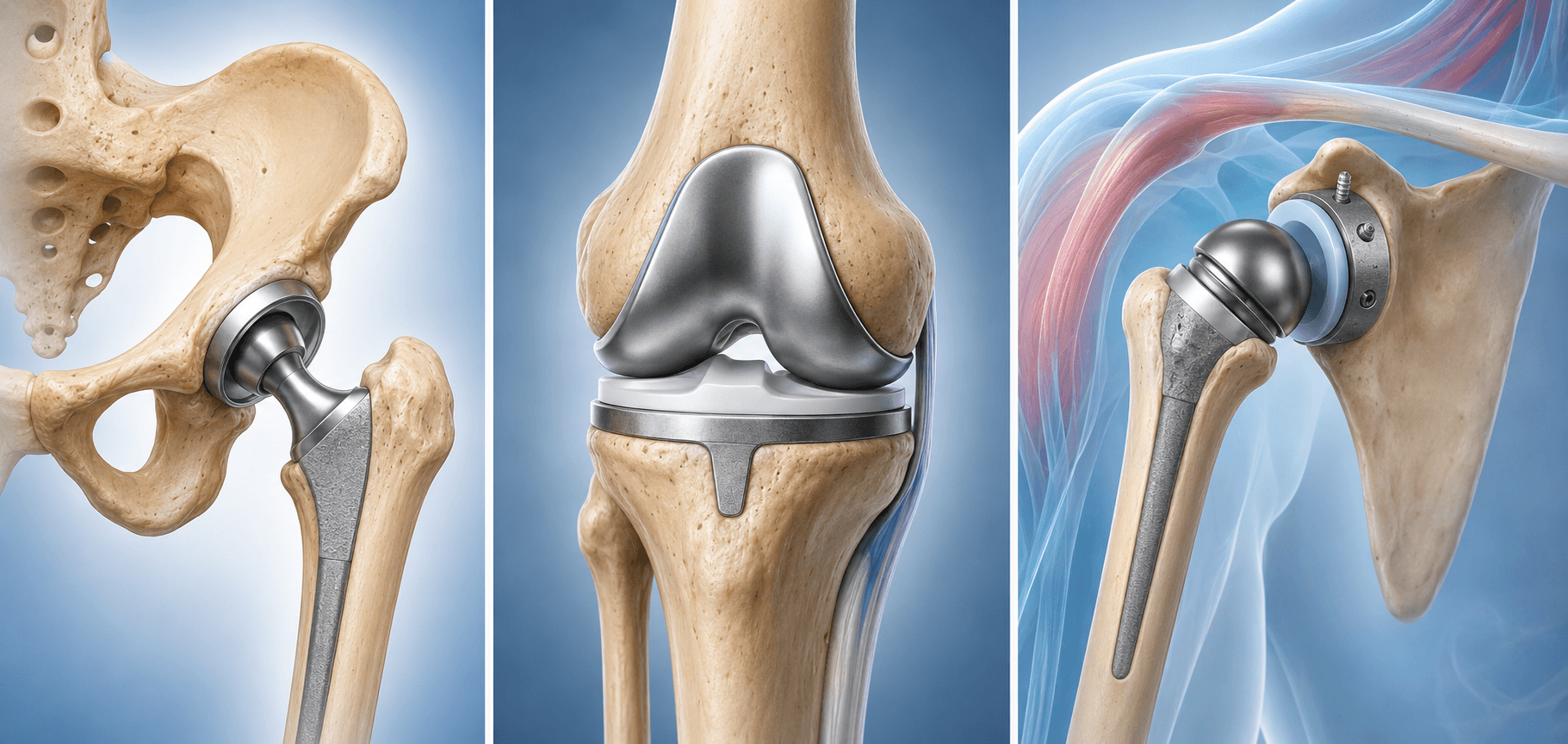
Robotic knee replacement is not about a robot performing your surgery independently. Instead, it is an advanced computer-guided system controlled entirely by a surgeon. Before a single incision is made, the system (such as the Stryker MAKO platform) creates a personalized 3D virtual model of your unique bone structure. This acts like a GPS for your knee, allowing the surgeon to plan the exact size, placement, and angle of your implant based on your anatomy rather than standard templates. Research shows that robotic systems achieve sub-millimeter precision, providing correct implant positioning within ±2° in more than 95% of cases compared to 70-75% in conventional surgery.
Robotic vs. Traditional Knee Surgery
Traditional knee replacement relies on the surgeon's manual alignment tools and visual estimation. In contrast, robotic-assisted surgery utilizes computer verification for sub-millimeter accuracy. This results in superior bone preservation, as only the damaged tissue is removed, and enhanced soft tissue protection through haptic feedback boundaries that prevent unintended cuts. Consequently, while traditional surgery recovery takes 6 to 12 weeks, robotic-assisted recovery is often reduced to 4 to 8 weeks, with a significantly lower long-term risk of re-operation.
Who is a Candidate in Hyderabad?
Robotic knee replacement is highly suited for active patients under 65 who want to return to demanding physical activities like sports, trekking, or physically demanding jobs. It is also beneficial for patients with complex knee deformities (severe varus or valgus misalignment), partial knee damage (unicompartmental arthritis), and those who have had previous knee surgeries that altered their normal anatomy. If implant longevity (20+ years) is your priority, robotic-assisted placement is the gold standard.
The Patient Recovery Experience
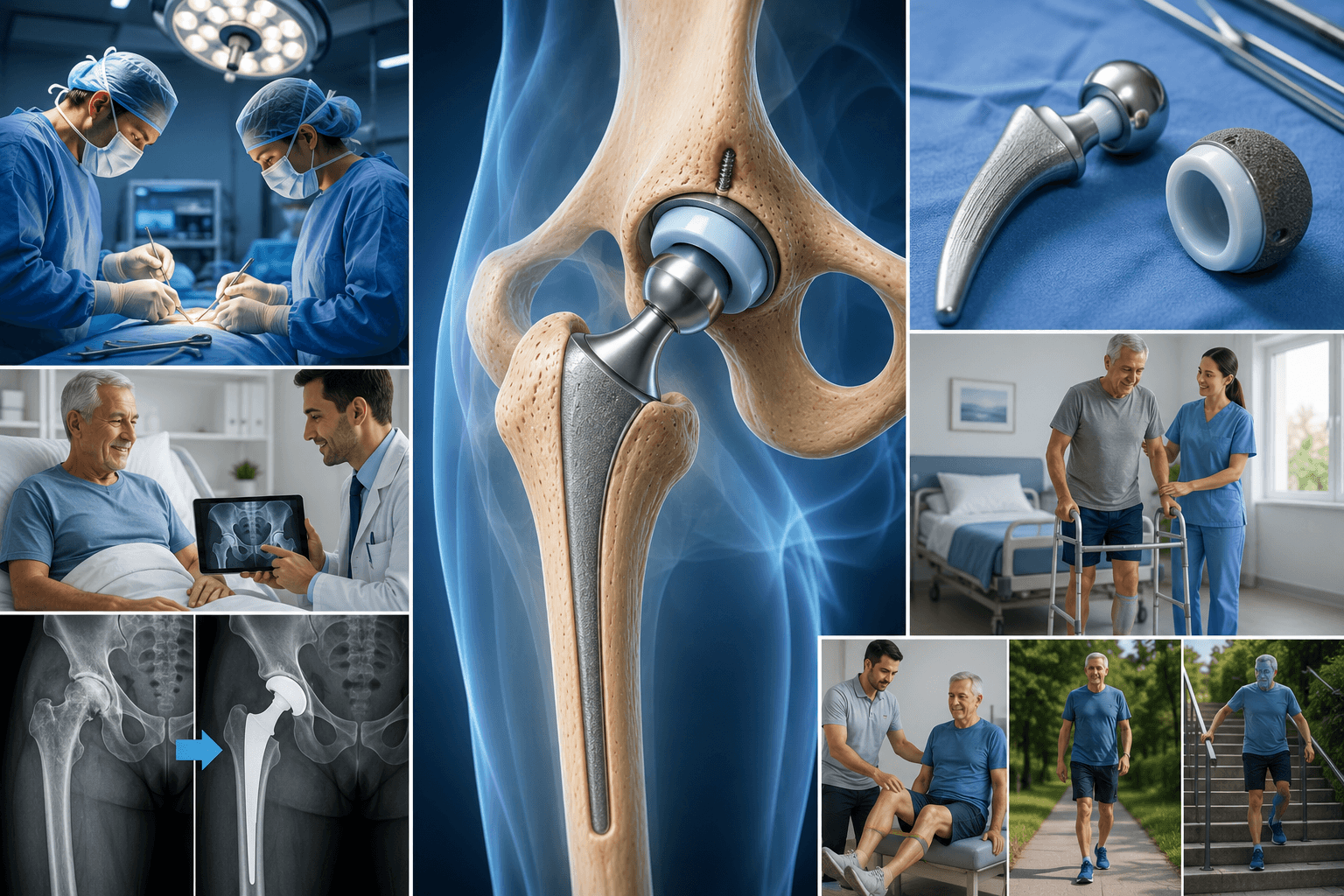
A common misconception is that recovery is completely effortless. In reality, while the timeline is accelerated and the quality of recovery is much higher due to reduced tissue trauma, it still requires effort. Patients typically report less post-operative swelling, an earlier return to climbing stairs (often by week 2), and higher satisfaction scores at the 6-month and 1-year marks. At a 5-year follow-up, studies show significantly fewer alignment-related complications.
Cost of Robotic Knee Replacement in Hyderabad
The cost of knee replacement in Hyderabad varies depending on the hospital and the choice of implant. Traditional total knee replacement (TKR) generally costs between ₹1.5 to ₹2.5 lakh per knee. A robotic-assisted TKR typically ranges from ₹2.5 to ₹4.5 lakh. While the initial investment is higher, health insurance policies frequently cover robotic procedures in 2026. The extra cost is often offset by shorter hospital stays, fewer physical therapy sessions, and a quicker return to work.